

 English
  Español
 HX-4001

Classic Red Plastic Party Cups Remain Event Favorites
A Familiar Product Continues to Find New Uses
From backyard gatherings to sporting events and casual celebrations, Classic Red Plastic Party Cups have remained one of the recognizable products in the disposable drinkware market. Their simple design, bright color, and stackable structure have made them a practical choice for beverage service across a wide variety of occasions.
As consumer expectations evolve, manufacturers are paying greater attention to product consistency, production efficiency, and design details rather than treating party cups as ordinary disposable items. Improvements in molding technology, material processing, and automated packaging have transformed the production of these cups into a highly specialized manufacturing process.
Material Selection Begins the Production Journey
Every Classic Red Plastic Party Cups production line starts with carefully selected plastic raw materials. Polypropylene (PP) is widely used because it combines lightweight characteristics with good rigidity and efficient processing performance.
Before manufacturing begins, resin pellets are blended under controlled conditions to maintain uniform material properties. Color masterbatch is added during this stage to produce the distinctive red appearance that has become closely associated with this style of party cup.
The blended materials are then transferred into high-capacity molding equipment where temperature and material flow are carefully regulated throughout production. Stable raw material preparation supports consistent wall thickness, smooth surfaces, and reliable product dimensions.
Material engineers continue refining resin formulations to improve processing stability while maintaining the familiar appearance expected by customers.
Thermoforming and Injection Molding Expand Manufacturing Options
Manufacturers produce Classic Red Plastic Party Cups using different production technologies depending on factory equipment and product specifications. Both thermoforming and injection molding remain widely adopted across the disposable drinkware industry.
Thermoforming begins with plastic sheet extrusion before heated sheets are shaped inside forming molds. This method is commonly selected for high-volume production due to its efficient manufacturing speed.
Injection molding introduces molten plastic directly into precision cavities, allowing manufacturers to create cups with consistent dimensions and detailed structural features.
Mold Engineering Supports Consistent Cup Quality
Behind every Classic Red Plastic Party Cups production line is a carefully engineered mold. Mold designers pay close attention to cavity layout, cooling channels, draft angles, and ejection systems to support efficient manufacturing.
Balanced mold temperatures help produce cups with consistent wall thickness from top to bottom. Precision cavity machining also contributes to uniform rim dimensions, allowing stacked cups to separate smoothly during use.
Cooling system design plays an important role as well. Even temperature distribution allows plastic to solidify consistently, reducing dimensional variation between individual cups.
High-speed machining centers, EDM processing, and precision polishing are commonly used during mold manufacturing, enabling factories to maintain repeatable production quality across multiple molding cycles.
Design Details Enhance Everyday Convenience
Although the appearance of Classic Red Plastic Party Cups has remained familiar for many years, manufacturers continue refining small design details that improve user experience.
Engineers carefully determine wall angles to create stable stacking performance while maintaining comfortable handling. Rim structures are designed to provide a smooth drinking edge, while base geometry supports balance when cups are placed on tables or serving trays.
Surface textures may also be incorporated into the exterior to improve grip while preserving the recognizable appearance of the cup. Different capacities and profile heights allow manufacturers to supply products suited to beverages, snacks, desserts, tasting events, and promotional activities.
OUR PRODUCTS
Recommended Products
-
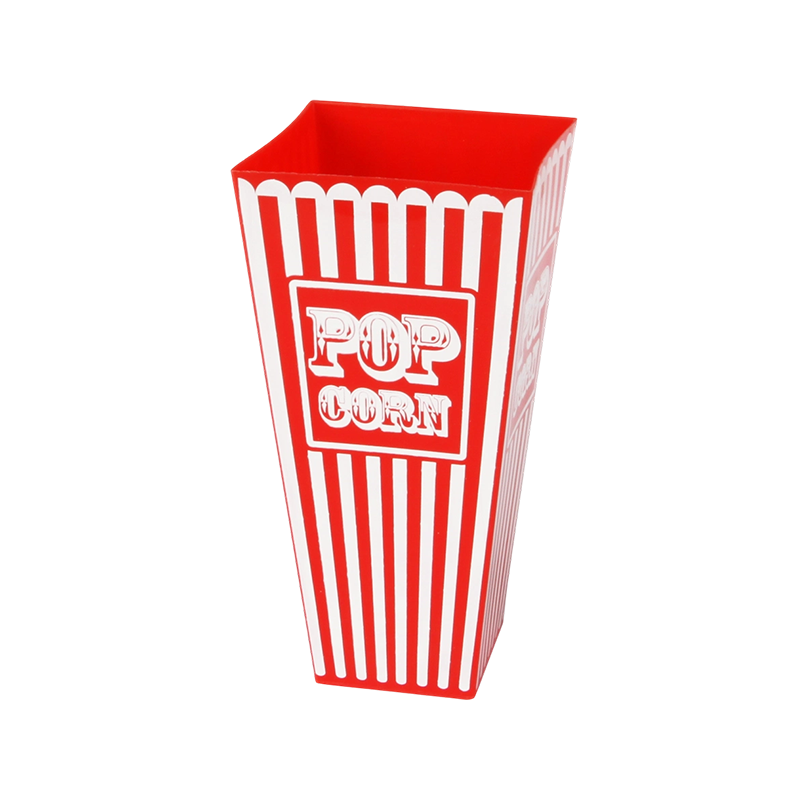
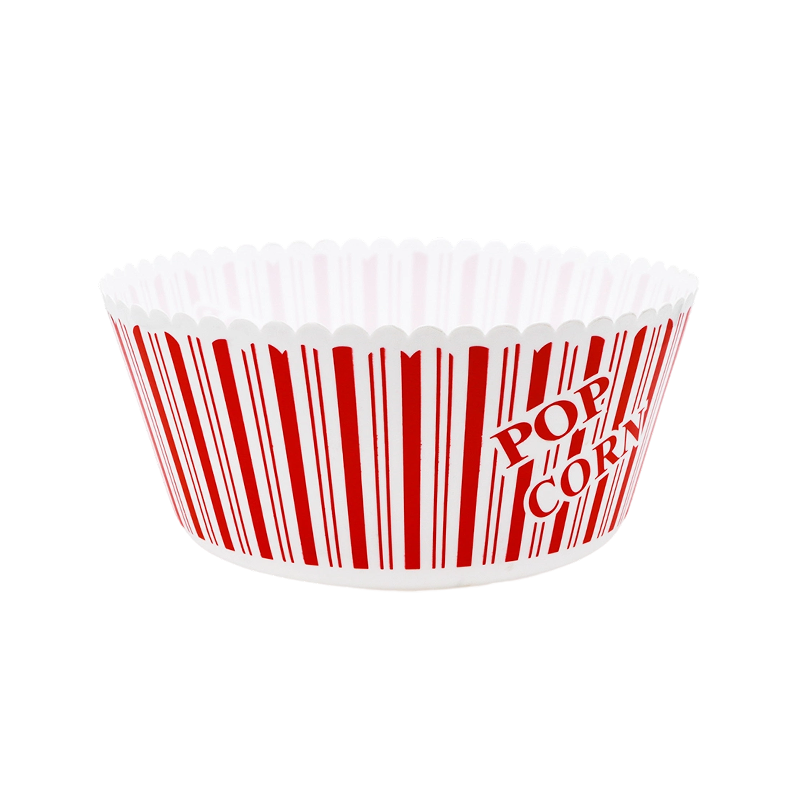 Retro American Popcorn Container
 -

-
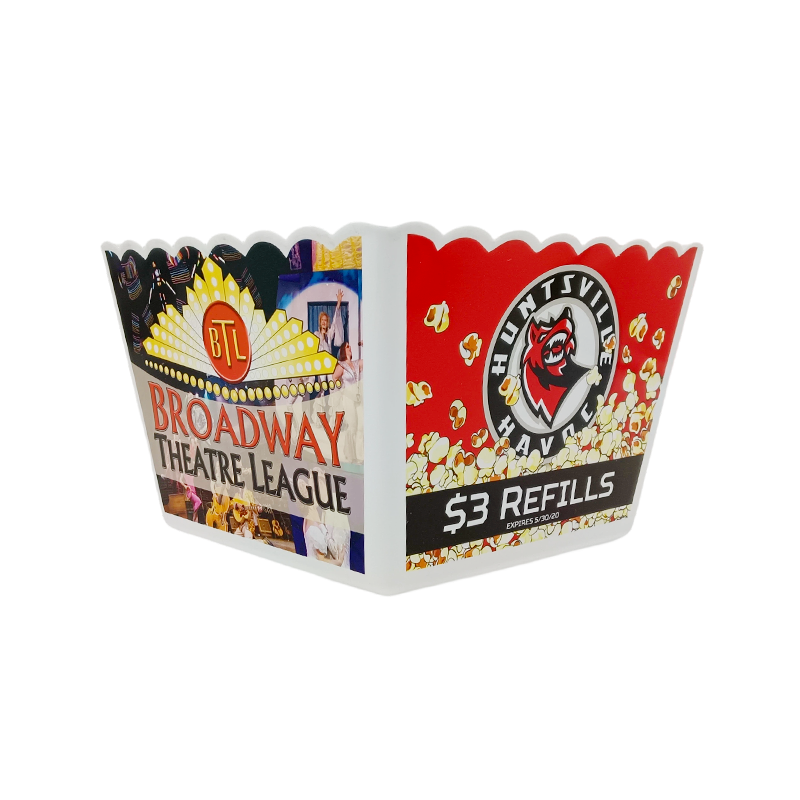 Reusable Popcorn Bucket
HX-4109
-
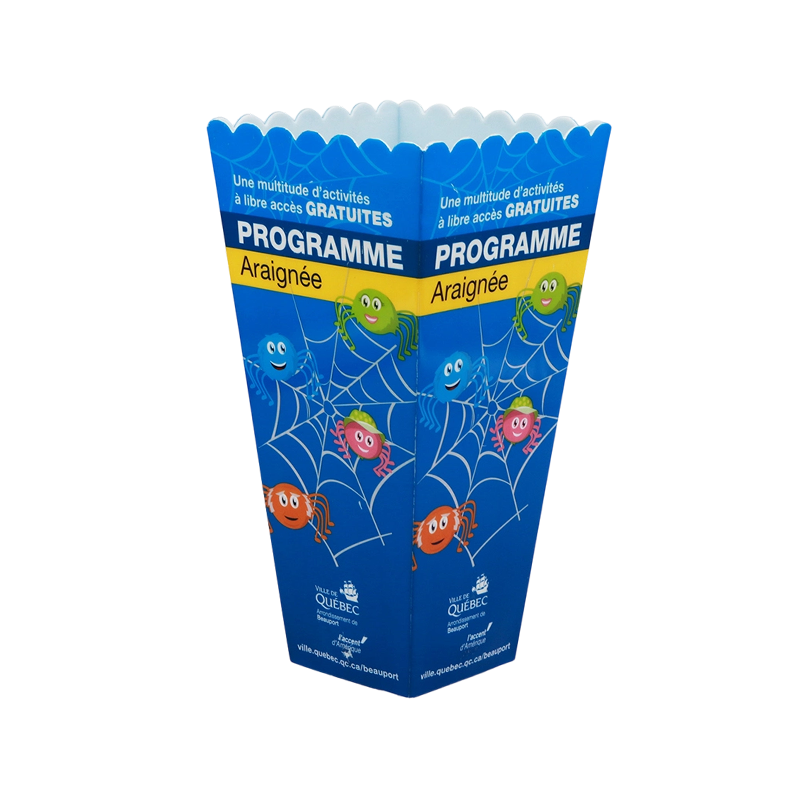
-
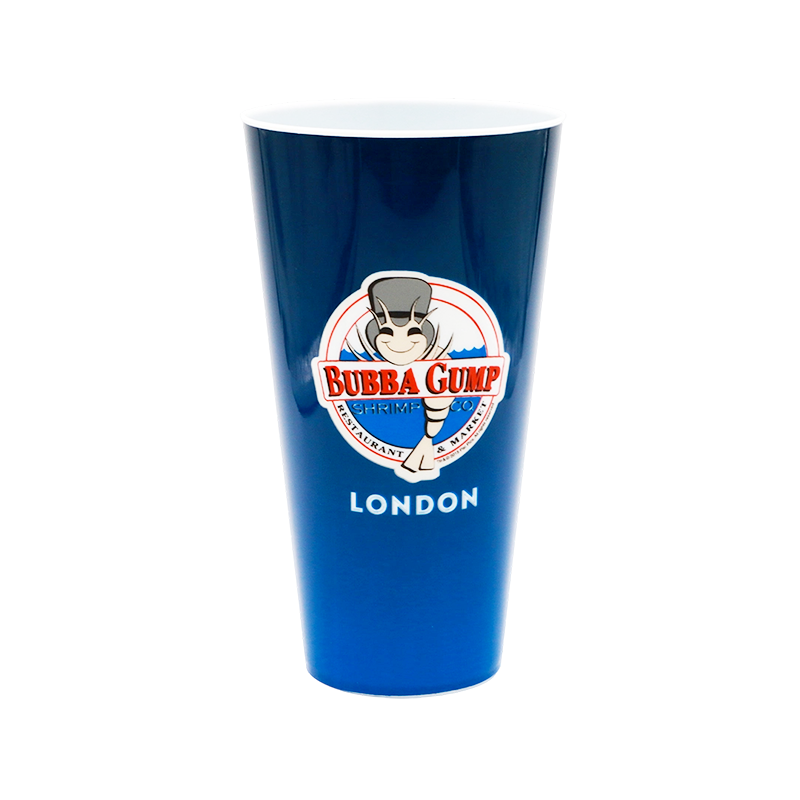 Movie-Themed Popcorn Bucket
HX-4131
-
-

-
 500ml Plastic Popcorn Box
HX-4211

 Decades of Trust (BSCI/SEDEX Certified), Strong Production, Unbeatable Prices – Your
Reliable Plastic Popcorn Bucket Partner
Decades of Trust (BSCI/SEDEX Certified), Strong Production, Unbeatable Prices – Your
Reliable Plastic Popcorn Bucket Partner
Information

TEL : +86-576-84892366 Mob/WhatsApp/Skype : +86-13626635187 / +86-18857613526


No.28 Lianyu Road, Gaoqiao Street, Huangyan District, Taizhou City, Zhejiang Province, China
Contact Us
Copyright © Taizhou Huangyan Huixuan Plastic Co., Ltd. All Rights
Reserved
