


 English
  Español

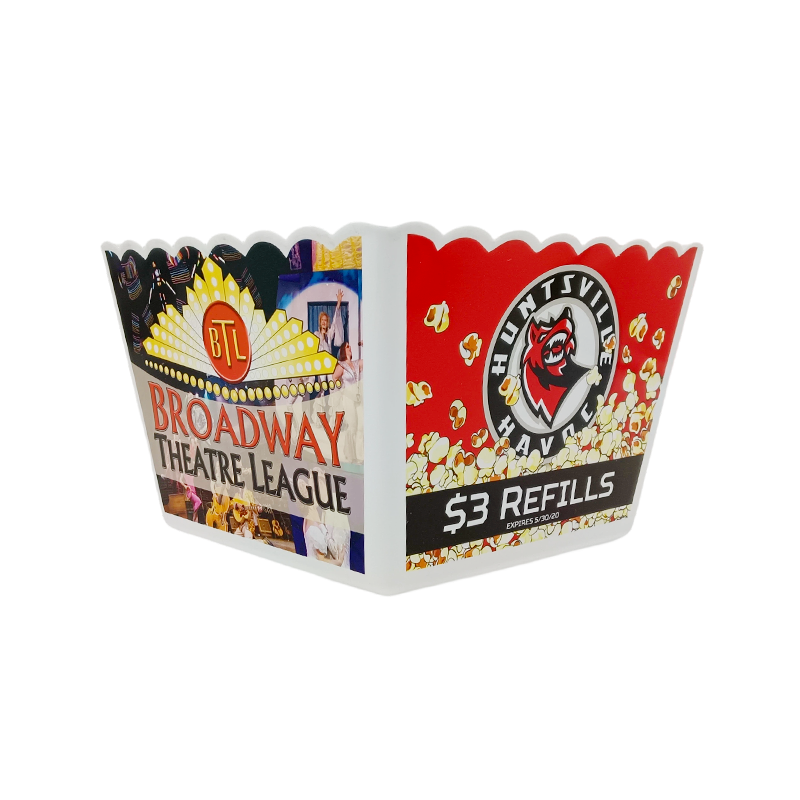
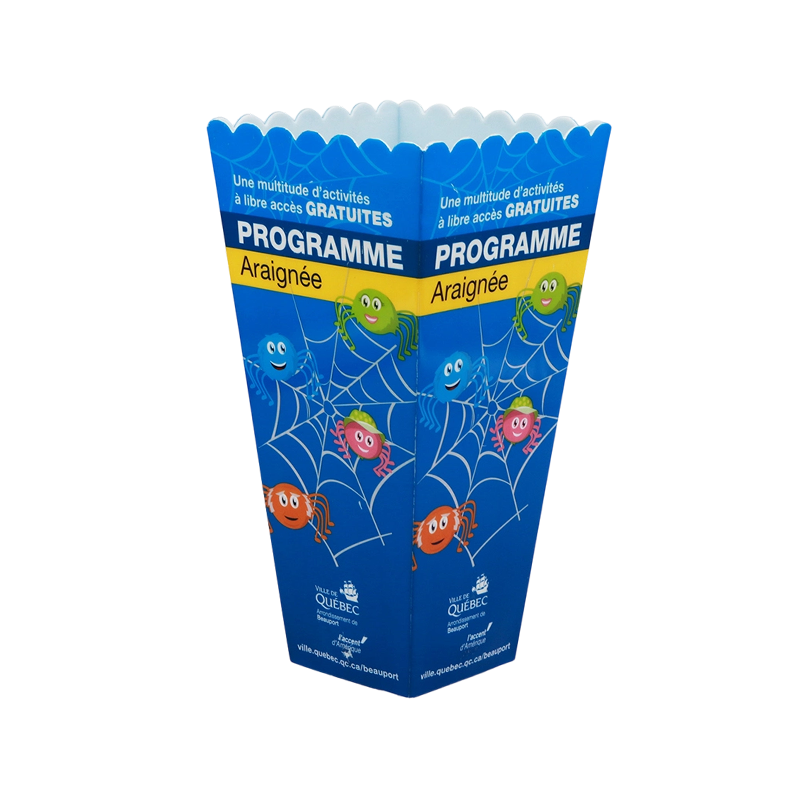

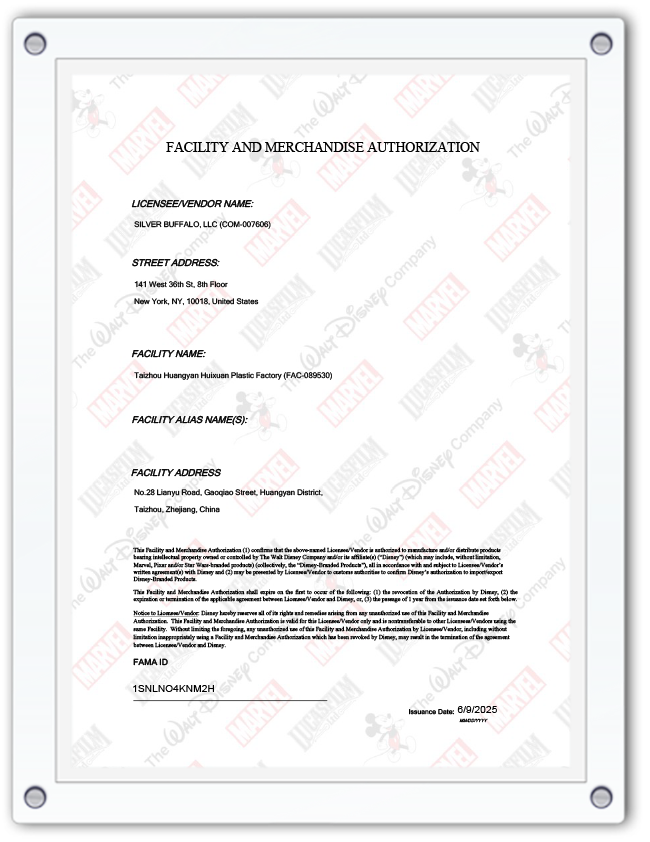

Plastic cups are open-top or lidded containers used to hold hot or cold beverages, juices, milk tea, coffee, alcoholic beverages, or other liquids. They are made from food-grade plastic through injection molding or blow molding. It is one of the largest single-item categories in the global beverage packaging and food service industry, covering a complete product range from disposable promotional cups to reusable branded custom cups.
Structurally, a standard plastic cup consists of the following parts:
- Body: Cylindrical, conical, drum-shaped, or irregularly shaped
- Mouth: Standard round mouth / Wide mouth (supports front opening) / Rolled rim (enhanced strength) / Sealing (for heat-sealing film or pressure cap)
- Bottom: Flat bottom / Concave bottom (enhanced stability) / With feet (premium models)
- Parts (some models): One-piece injection-molded D-shaped part or separate snap-fit part
- Lid (matching): Flat lid, arched lid, dome lid (for milk tea), screw cap, straw hole lid
Application Scenarios OF Plastic cups
Restaurant chains/milk tea and coffee brands are the core B2B procurement scenario for plastic cups: Chain milk tea shops (such as Mixue Ice Cream and Chayan Yuese) and coffee shops require hundreds of millions of customized cups annually. Requirements for these cups focus on: high transparency (PET material showcases the beverage's appearance), perfect fit between the dome lid and the cup rim (within ±0.3mm), logo printing, and cost control per cup within the brand's overall budget.
Event Marketing/Brand Promotion: FMCG brands, automotive brands, and financial institutions require customized printed plastic cups as gifts or product accessories for large-scale events, exhibitions, or roadshows. These purchases are characterized by: high timeliness (typically orders placed 30-45 days in advance), design changeovers, price sensitivity, and willingness to use existing molds for full-color printing.
Sports Events/Concerts/Large Venues: Men's events and concerts consume a large number of intermittent or reusable cups per event. Demand for reusable cups continues to grow in the European market. These cups require drop resistance (≥1m drop test not completed), stackability (for interconnected workshops), and subsequent washing capability.
Reasons for Procurement
① Low Unit Cost and Significant Economies of Scale: With mass production, the cost per injection-molded PP or PS plastic cup can be as low as a few cents (disposable) to a few cents (reusable), which is 1/5–1/10 of that of glass cups and more than 1/15 of that of plastic cups. For high-cost consumption scenarios such as restaurant chains, the small difference in materials multiplied by millions of annual optimized usages ultimately creates a considerable cost margin.
② Less Easily Calculated, Reducing Warehouse Handling: Glass cups have a much higher conversion rate in warehouse sorting and express delivery than plastic products. For B2C retail, a single negative review can lower the conversion rate of an entire listing. The impact resistance of PP/Tritan material structurally eliminates this operational risk.
③ High Customizability, Supporting Brand Differentiation: Injection molding offers virtually no restrictions on appearance design—cup shape, color, gaps, segmentation, cap type, logo processing (in-mold embossing/IML full-color/hot stamping/silk screen printing) allow for customization according to brand. This is the core method for establishing product prestige and supporting premium pricing.
Frequently Asked Questions
Q1: Are there industry standards for the rim size of milk tea cups? Can you meet the precision requirements?
A: Yes. The more commonly used standard outer diameters for milk tea cup rims are 90mm and 98mm, corresponding to the sealing heads of mainstream sealing machines on the market (such as Alijie and Ouke). We can control the outer diameter tolerance of the rim within ±0.2mm to ensure the sealing film adhesion rate and sealing effect of the sealing machine. If you are using a specific brand of sealing machine, we recommend providing the sealing head model, and we will conduct actual sealing reliability testing during the sampling stage.
Q2: What tests are required for reusable cups? Can you provide relevant reports?
A: Reusable plastic cups (usually made of PP) typically need to pass the following tests in the European and American markets:
- Drop test: Must withstand a free fall from a height of ≥1m without breaking (specific standards vary depending on buyer requirements).
- Dishwasher durability test: Usually requires no significant damage to appearance or structure after more than 500 dishwasher cycles.
- Migration test: Must not exceed the standard for fish substance migration under simulated food contact conditions (specific temperature + time).
Q3: How many cups can a 40HQ container hold? How to calculate logistics costs?
A: Loading capacity varies depending on cup type and size.
For example:
- 16oz conical PET cold drink cups (approximately 30cm high per 50 cups when stacked): A typical 40HQ container can hold 150,000–250,000 cups (depending on the specific outer diameter and stacking ratio).
- 16oz straight PP hot drink cups with a section (not stackable): Production capacity is significantly lower, approximately 30,000–60,000 cups.
We will provide container loading plans and CBM calculations with our quotes to help you accurately report the landed logistics cost per cup, thus calculating the complete unit cost of purchase (Cost, Insurance, and Freight).