


 English
  Español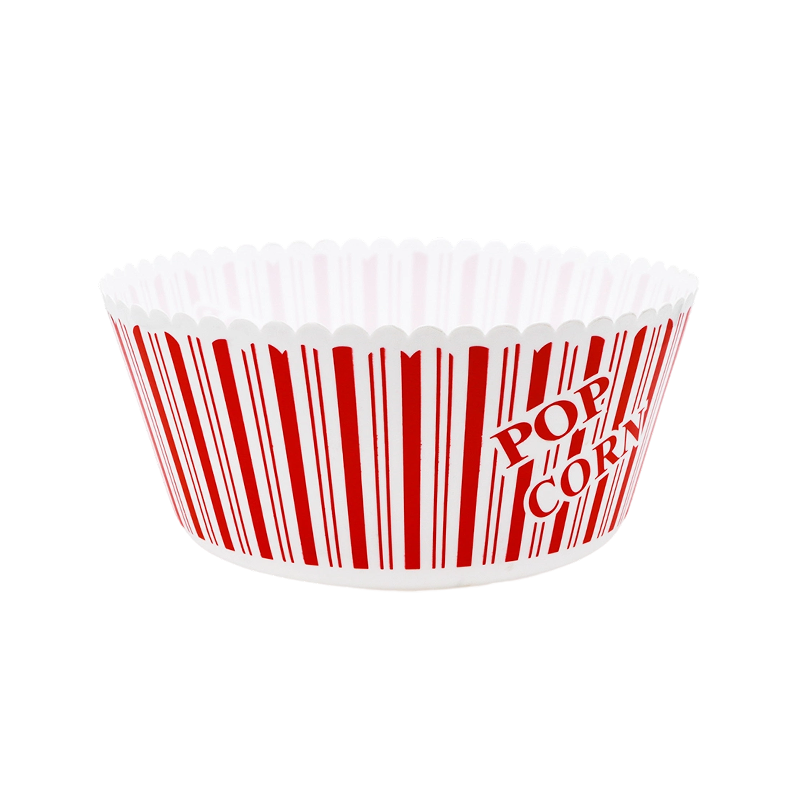
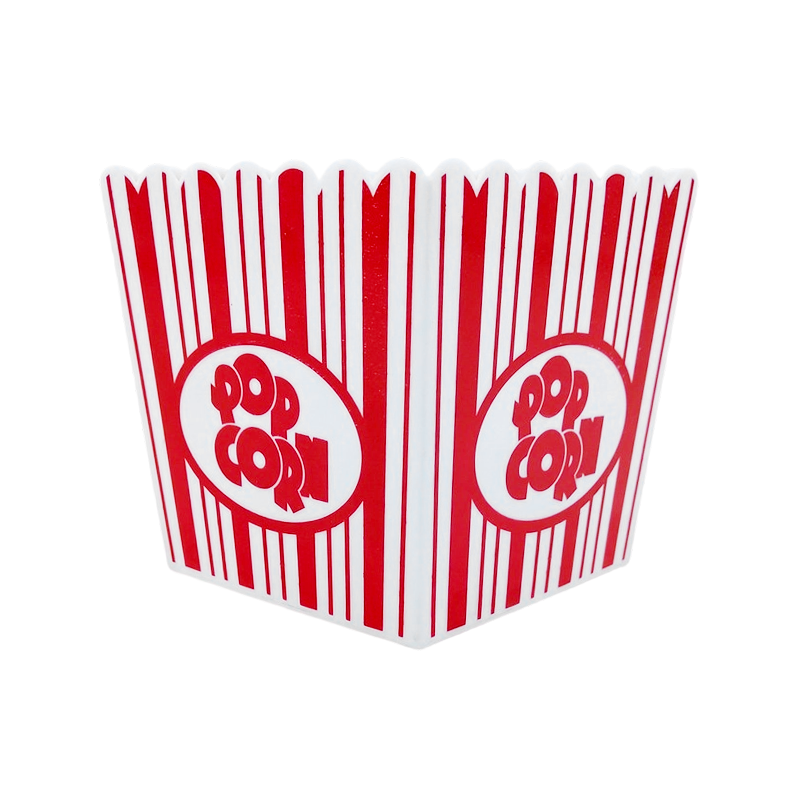
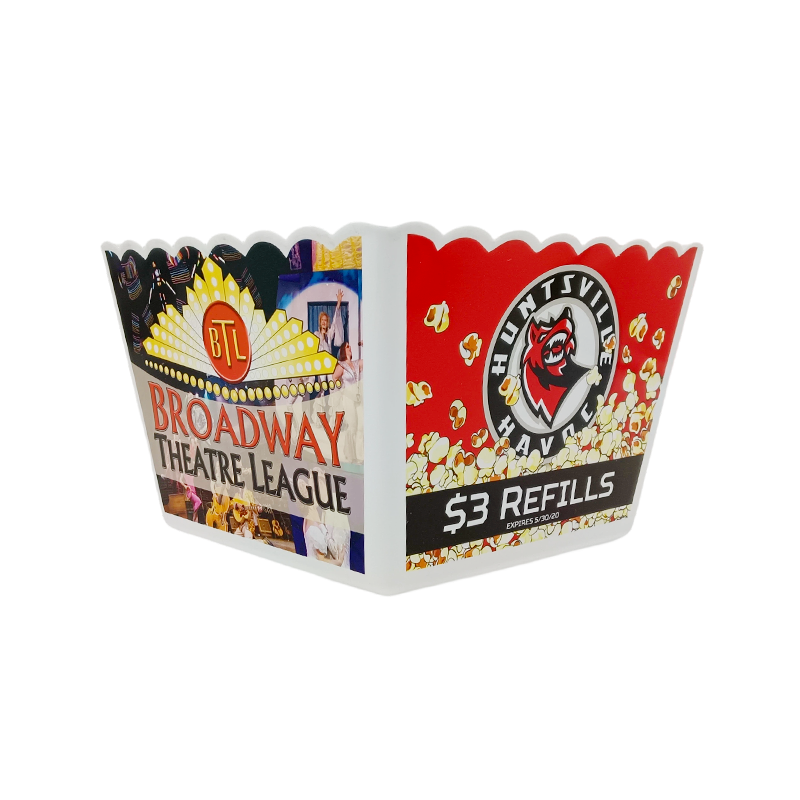
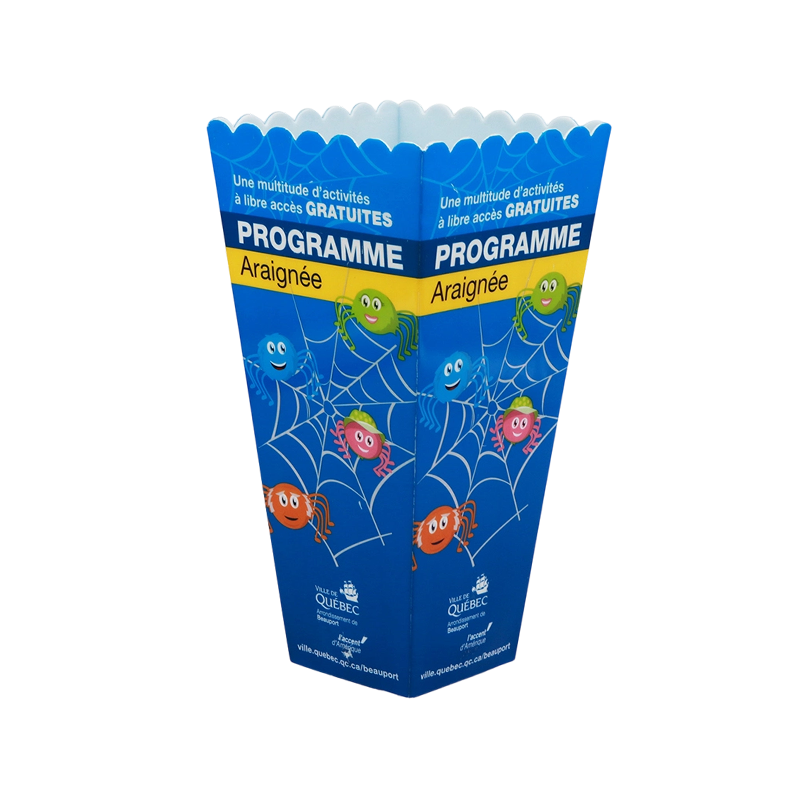

Plastic food containers are closed or semi-closed plastic products used for storing, consuming, heating, or selling food. They are one of the largest categories in terms of global food packaging shipments, widely used in home-cooked meals, supermarket retail, and pre-packaging in food factories.
Compared to metal or glass containers, the core advantages of plastic food containers are: lightweight, low cost, malleability, easy sealing, and stackability. These characteristics make them an irreplaceable basic consumable material in the food supply chain.
Structurally, a standard plastic food container typically consists of the following parts:
- Container body: Square, round, rectangular, or irregularly shaped, with a wall thickness typically ranging from 0.8 to 2.5 mm.
- Lid: Snap-on lid, twist-up lid, push-pull lid, heat-sealing film, determining the sealing level.
- Sealing ring (some models): Silicone or TPE material, improving airtightness and extending food preservation time.
- Bottom structure: Flat bottom for stacking / recessed alien-shaped bottom / foldable bottom.
Application Scenarios of Plastic food containers
The demand for plastic food containers spans numerous industries. The following are the main B2B procurement scenarios:
- Restaurant Takeout/Chain Restaurants
This is the largest single procurement scenario for plastic food containers. Chain fast-food brands, takeout platform suppliers, and central kitchens need to purchase standardized lunch boxes in large quantities, requiring microwaveability (PP material), leak-proof design, and the ability to print brand logos. Common sizes are 500ml–1500ml square or round single/multi-compartment lunch boxes.
- Supermarket Retail/Pre-packaged Food
Supermarket deli sections, convenience store fresh food, and bakery brands require high-transparency PET or Tritan containers so consumers can see the food contents. These containers typically require heat-sealing packaging lines, with strict dimensional tolerance requirements (pallets must be controlled within ±0.3mm to ensure proper sealing).
- Frozen Food/Quick-Frozen Industry
Products such as dumplings, glutinous rice balls, and quick-frozen vegetables require low-temperature resistant (non-brittle below -20°C) PP or HDPE containers. Some specifications also need to support direct heat treatment from freezing (cold-heat alternating testing).
- Food Factories/Pre-Prepared Meals
Pre-prepared meal factories require large-capacity (1L–5L), stackable plastic containers with airtight lids for production line packaging, cold chain transportation, and supermarket shelf placement. This type of procurement involves large volumes and high-frequency agreements, usually conforming to annual frameworks.
- Health Food/Nutritional Supplement Brands
Brands of protein powder, nutritional rice, and organic grains require high-end plastic containers with moisture-proof sealing rings, serving as both functional packaging and display carriers.
- Pet Food Industry
Pet snack and wet food brands retail plastic containers with resealable lids, requiring frequent use by staff.
- Group Catering/School Cafeterias/Corporate Cafeterias
Large-scale group catering scenarios require durable, washable, and non-deformable multi-compartment PP food containers. These typically require FDA or LFGB certification and dishwasher resistance (85°C high-temperature cycling).
Why is large-scale procurement of plastic food containers commercially justifiable?
① Significantly Lower Unit Costs than Alternative Materials
For the same capacity, the unit price of injection-molded PP food containers is typically 1/4 to 1/6 that of glass containers of the same size, and 1/8 to 1/15 that of stainless steel containers. For high-frequency consumption scenarios such as takeout and retail pre-packaged goods, material costs directly impact profit margins.
② Lightweight Design Reduces Overall Transportation and Logistics Costs
A 1000ml PP food container weighs approximately 40-80g, while a glass container of the same size weighs approximately 400-600g. For cross-border e-commerce sellers, lightweight design also translates to the aforementioned FBA inbound and related costs.
③ Shock Resistance and Durability Reduced in Rail Transportation
Glass containers have a lower acceptance rate in rail transportation, sorting, and replenishment processes. PP material's impact resistance structurally eliminates this risk.
④ Sealing performance supports a longer shelf life
PP food containers equipped with silicone sealing rings and multi-segment snaps effectively slow down food oxidation at room temperature, reducing tableware loss rates in restaurants; in retail scenarios, longer shelf life means unsold inventory.
⑤ High customizability, supporting premium pricing strategies
Injection molding supports almost all appearance customizations—from color and logo embossing to functional structures (dividers, valves, folding designs). Brands can establish visual recognition in a homogeneous market through differentiated appearances, supporting higher pricing.
⑥ Meets sustainable sourcing requirements, reducing ESG compliance pressure
Using rPET (food-grade recycled material) or rPP material allows for labeling "Contains X% recycled ingredients" on product packaging, helping brands meet the EU Packaging Regulation (PPWR)'s recycled ingredient ratio targets and the sustainable sourcing system scores of retailers such as Walmart and Target.
OEM Capabilities
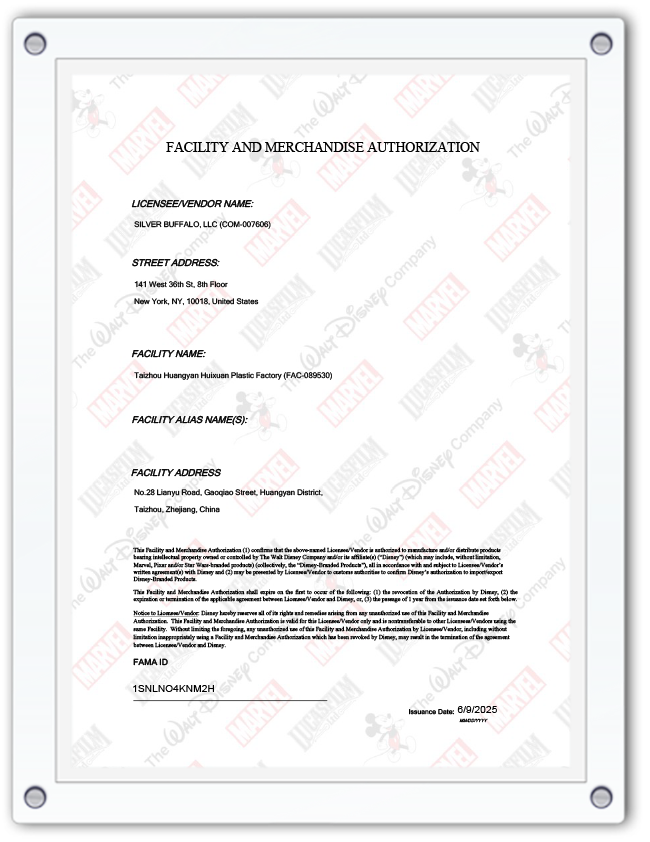
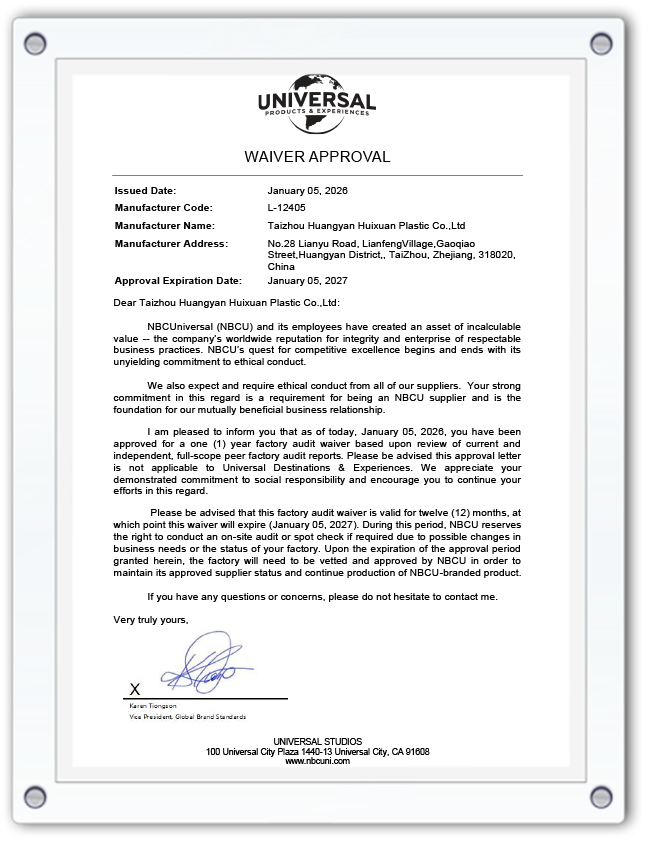
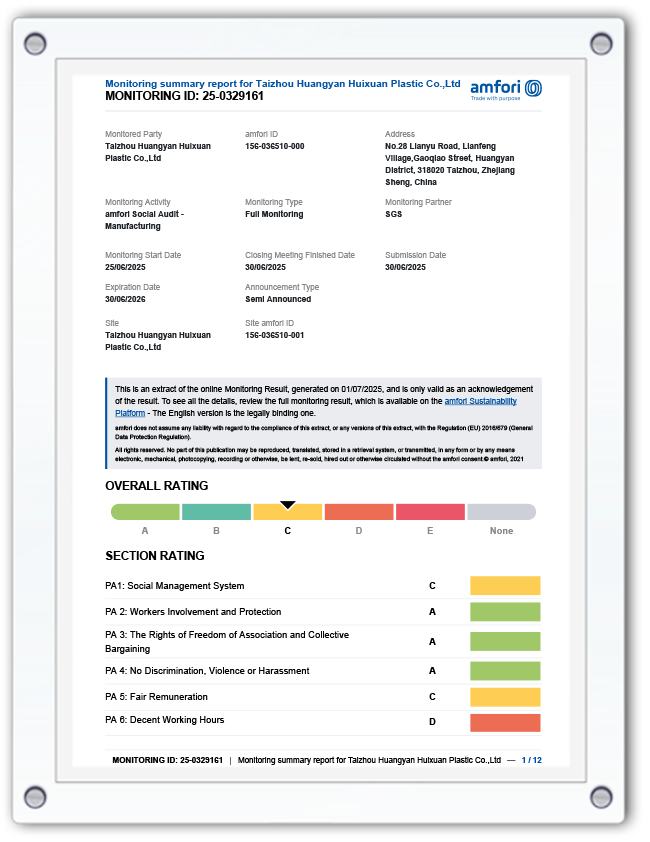
We offer complete OEM manufacturing services for plastic food containers, from product design to shipment, suitable for the following buyer types:
- Brand Owners: Require uniquely designed containers to differentiate their products from generic market offerings.
- Retail Chains/Supermarkets: Require their own branded packaging to establish their own branded product lines.
- Restaurant Chains/Delivery Platforms: Require customized lunch boxes with standardized specifications and brand logos.
- Food Exporters/Cross-border E-commerce: Require compliant packaging that meets the regulations of their target market.
Frequently Asked Questions
Q1: How is the container's sealing performance? Is it suitable for liquids or soups?
A: Sealing performance depends on the lid design:
- Standard snap-on lid (no sealing ring): Suitable for solid foods; liquids may leak when tilted or folded, not recommended for soups.
- Four-corner snap-on lid with silicone sealing ring: Passes our internal water-filling inversion test (30 minutes of standing), suitable for most liquid foods.
- Swivel lid with airtight ring: Highest sealing level, suitable for soups, seasonings, and other highly absorbent foods.
If your product involves soups or high-fat foods, we recommend conducting an actual content test at the final stage. We will provide a sealing performance test report.
Q2: Can shipping containers be directly heated? What precautions should be taken?
A: Microwaveability depends on the material and lid design:
- PP body: Microwaveable, temperature resistance approximately 100–120°C (specific formula)
- PET/PS material: Microwaveable is not recommended; may deform or release harmful substances at high temperatures.
- Lid: A special microwave-safe lid with vents must be used when microwaving to prevent pressure buildup and the lid from flying off.
We can emboss "Microwaveable" or "Microwave-safe before opening" warnings on the lid and provide a microwave safety test report to meet US FDA and EU microwave suitability labeling requirements.
Q3: Are your shipping containers suitable for use with automatic sealing machines?
A: Suitable, but the following parameters need to be confirmed before placing an order:
- Container opening inner and outer diameters (accurate to 0.1mm)
- Sealing material type (PE heat-sealing film, AL foil film, PET film, etc.)
- Sealing machine model or sealing head size
We will control the container opening flange size tolerance within ±0.2mm based on the sealing machine parameters you provide, ensuring sealing adhesion and production efficiency. It is recommended to test the sealing equipment on your actual production line during the sample stage.