

 English
  Español
 HX-4001

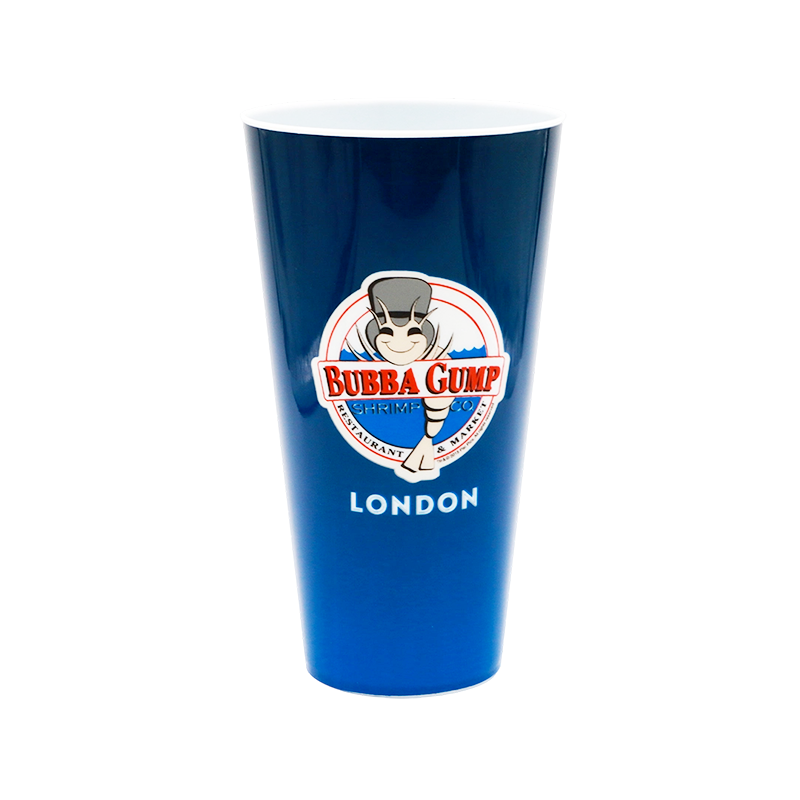
Custom Logo Printed PP Stadium Cups Fill The Stands
Why Polypropylene Fits the Venue Environment
Glass is out of the question in most stadium settings for obvious safety reasons, and standard paper cups don't hold up well to the reuse patterns many venues now prefer. Custom Logo Printed PP Stadium Cups sit in a practical middle ground — rigid enough to hold shape under a firm grip, light enough to stack in bulk without adding meaningful weight to a vendor's cart, and stable enough to survive a wash cycle if the venue is running a reusable cup program rather than single-use.
The material also takes printing well. PP's surface accepts screen printing and pad printing processes cleanly, which matters a lot when a logo needs to stay sharp and legible after the cup has been handled dozens of times over the course of an event.
What Venues Actually Ask For
Procurement teams ordering stadium cups tend to specify around a similar set of core variables, even though the final designs vary widely by team, sponsor, or event:
| Spec | Typical Range | Why It's Specified |
| Cup volume | 12–24 oz | Matches beverage pour standards |
| Wall thickness | 0.5–1.2 mm | Balances rigidity and stackability |
| Print colors | 1–4 colors | Cost and logo complexity tradeoff |
| Print method | Screen or pad print | Affects durability and detail level |
Volume tends to be dictated by the venue's existing pour equipment and beverage program, while wall thickness gets more attention from vendors managing storage — thinner walls stack more cups per case, but too thin and the cup loses the rigidity needed to hold up during a full game's worth of handling.
Getting a Logo Onto the Cup
Screen printing remains the more common method for stadium cup branding, largely because it holds up well under repeated handling and doesn't wear off after a few uses the way some lower-cost printing methods can. Pad printing gets used for more detailed logos or when a design has fine text elements that screen printing might not reproduce as cleanly.
Color count is often the real cost and complexity driver here. A single-color logo is straightforward to print at volume, but a full-color team logo with gradients or multiple overlapping elements requires more printing passes, which affects both production time and how tightly registration has to be controlled to keep the design crisp across a full order.
Reusable Programs Change the Sourcing Conversation
A growing number of venues run reusable cup programs, where the same custom-printed PP cup gets collected, washed, and returned to circulation across an entire season rather than discarded after one use. This shifts what buyers prioritize in a cup order:
- Print durability becomes a bigger factor, since the design has to survive repeated wash cycles
- Cup wall thickness often increases slightly to handle more handling cycles over time
- Stack height and nesting design matter more for storage between games
- Order volume calculations change, since fewer total cups may be needed if cups are collected and reused rather than replaced each game
Venues running these programs sometimes request wash-cycle testing on sample cups before committing to a full order, checking specifically whether the printed logo stays legible after a set number of simulated cleanings.
A Cup Built to Be Handled, Not Just Held
A stadium cup's job doesn't end once a drink is poured into it. It gets carried through crowds, sometimes kept as a souvenir with the printed logo still intact, sometimes returned for another wash cycle days later. Custom logo printed PP stadium cups are built around that whole handling cycle rather than just the moment of the pour, which is why so much of the sourcing conversation around them focuses on stacking, print durability, and wall thickness — the details that decide whether the cup and its branding hold up once the game actually starts.
OUR PRODUCTS
Recommended Products
-
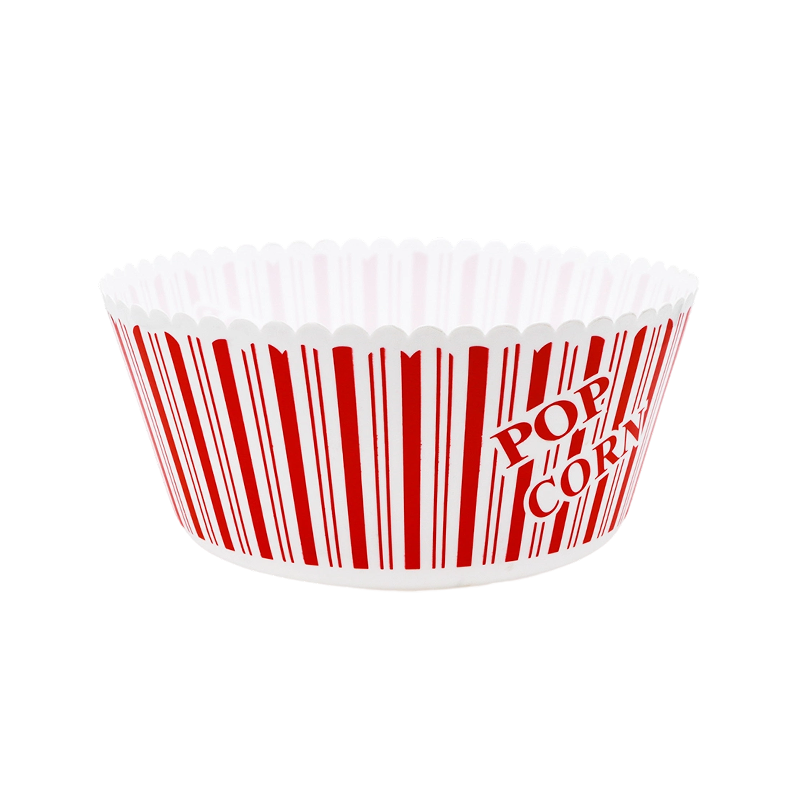 Retro American Popcorn Container
 -
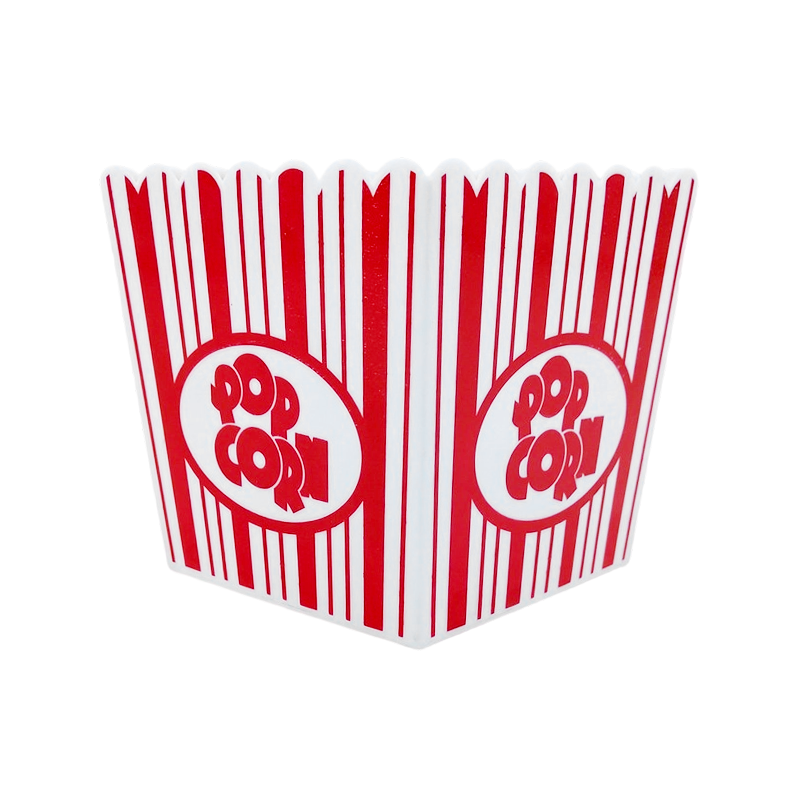
-
 Reusable Popcorn Bucket
HX-4109
-
-
 Movie-Themed Popcorn Bucket
HX-4131
-
-
-
 500ml Plastic Popcorn Box
HX-4211

 Decades of Trust (BSCI/SEDEX Certified), Strong Production, Unbeatable Prices – Your
Reliable Plastic Popcorn Bucket Partner
Decades of Trust (BSCI/SEDEX Certified), Strong Production, Unbeatable Prices – Your
Reliable Plastic Popcorn Bucket Partner
Information

TEL : +86-576-84892366 Mob/WhatsApp/Skype : +86-13626635187 / +86-18857613526


No.28 Lianyu Road, Gaoqiao Street, Huangyan District, Taizhou City, Zhejiang Province, China
Contact Us
Copyright © Taizhou Huangyan Huixuan Plastic Co., Ltd. All Rights
Reserved
