


 English
  Español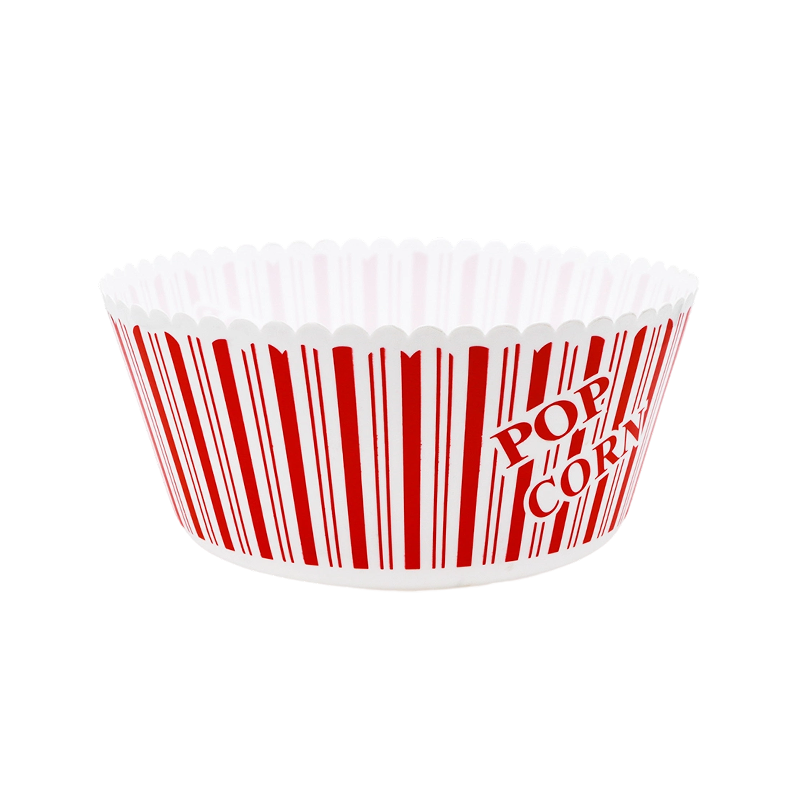

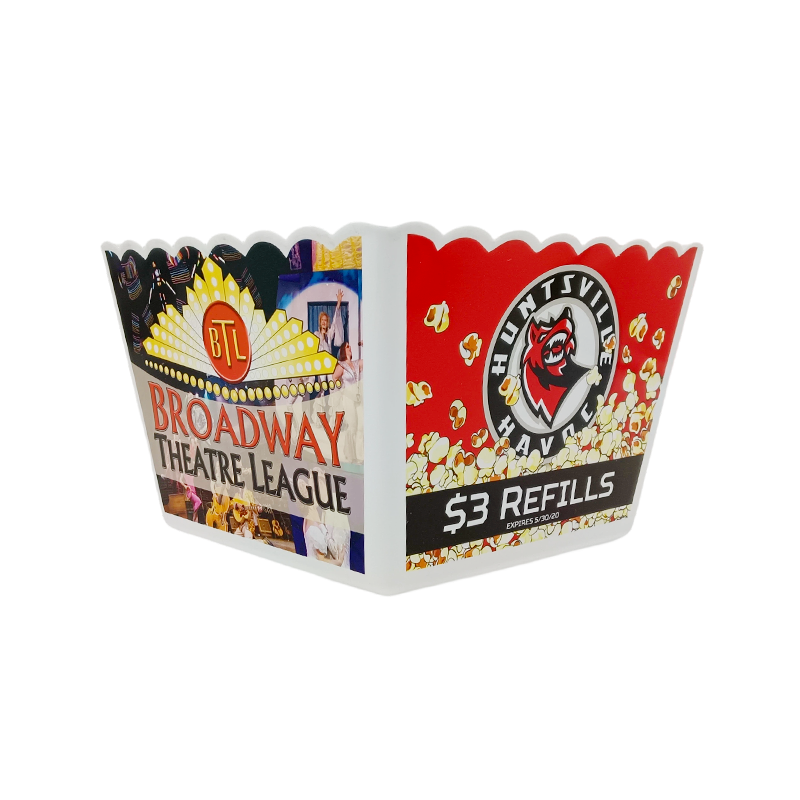
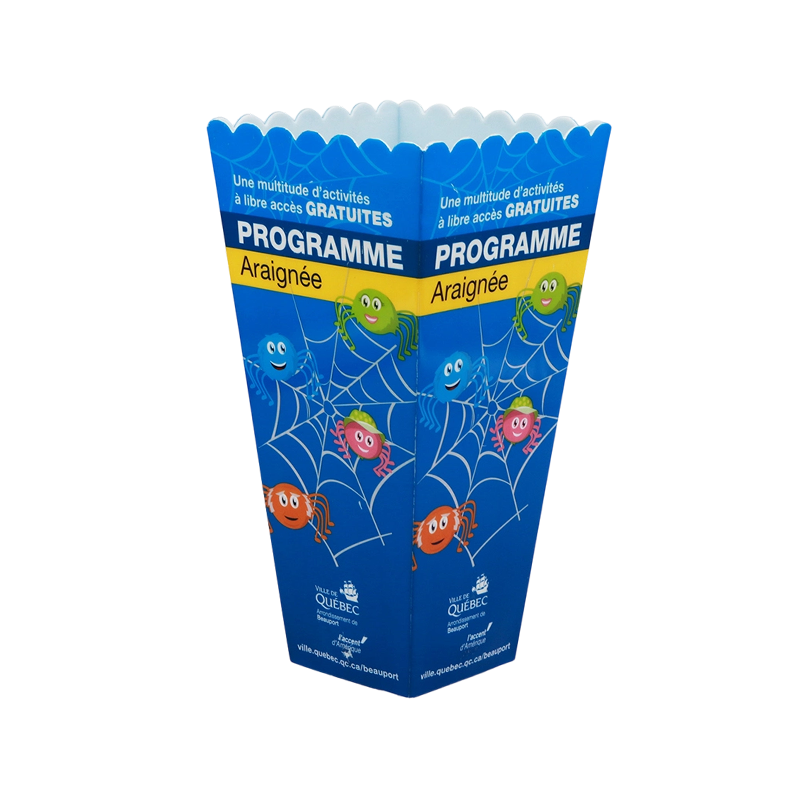

The plastic stadium cup is a high-quality plastic beverage cup designed specifically for large public venues, named after its origins as a drink item sold at North American professional sports events. Its key differences from ordinary disposable plastic cups lie in its thicker walls, stronger impact resistance, standardized capacity, and full-coverage brand printing.
For B2B buyers, the commercial value of stadium cups goes beyond simply being a beverage container—they are mobile brand advertisements with continuous exposure within the venue, a physical medium for sponsor value delivery, and a crucial component of the sports apparel economy.
Application Scenarios of plastic stadium cup
Sports events/leagues are the core procurement scenario for stadium cups, hence the category's name. Home stadiums of North American professional leagues such as the NFL (American Professional Football), NBA (basketball), MLB (American Football), and NHL (ice hockey), as well as stadiums of European professional leagues like the Premier League and La Liga, spend tens of thousands of customized cups per game. These cups are printed with team logos, season information, or sponsor branding and are sold as standard containers for beer and soft drinks.
- Theme Parks: Theme parks like Disney and Universal Studios use character-themed stadium mugs as standard beverage containers in their food and beverage areas, while also selling them separately at a premium in wallpaper stores.
- Corporate Events/Promotions/Exhibitions: Brands, automotive brands, and financial institutions distribute stadium mugs as branded gifts at large performances, exhibitions, and community events. Compared to printed promotional materials, the mugs have higher retention rates and secondary brand exposure.
- Alumni Associations/Non-profit Organizations/Charity Fundraising Events: Alumni association annual gatherings, charity runs, and charity galas use customized stadium mugs as event gifts. The low unit price supports large-volume purchases, and the event information printed on the mugs adds commemorative and promotional value.
Reasons for Purchasin
① Extremely low unit brand exposure cost: Compared to traditional advertising creatives (exhibition booths, outdoor billboards, digital advertising) with equivalent brand exposure, the cost per brand contact for a stadium mug is negligible, based on the purchase cost of a single 16oz stadium mug (including customized printing). More importantly, brand exposure continues to extend after consumers leave the venue.
② Consumers actively retain their purchases, resulting in a long brand exposure cycle: Well-designed stadium mugs have a clear "wallpaper-like" quality—research shows a significant proportion of consumers take event or commemorative mugs home for repeated use. This means each mug's brand exposure lifecycle far exceeds intermittent use, achieving continuous contextual dissemination.
④ Combining functionality and commemorative value, supporting premium sales: Many sports venues bundle customized stadium mugs with specific beverage packages, increasing the average order value by 30-80% compared to bulk beverage sets. The inherent consumable value of the mug supports the premium price of the package; consumers are willing to pay more for "an extra commemorative mug."
⑥ High stacking efficiency, low transportation and controllable logistics costs: The conical mug design allows for efficient stacking; typically, 50 mugs stacked together are approximately 1.5-2 mugs high. This means a 40HQ container can hold a large number of mugs, resulting in low logistics costs per mug and making it suitable for large-volume border purchases.
Frequently Asked Questions
Q1: What is the fundamental difference between stadium mugs and ordinary disposable plastic cups? Why is there such a large price difference?
A: The core differences lie in four dimensions: wall thickness, material, printing process, and brand value. Ordinary thin-walled cups (such as those made of PS material) have a wall thickness of approximately 0.8–1.0 mm, a light and thin feel, and are typically printed in simple single colors, positioning them as excessive material consumption. Stadium cups, on the other hand, typically have a wall thickness of 1.5–2.5 mm, a thicker feel, approaching reusable cups. When full-color multi-color screen printing or IML printing is supported, consumers tend to keep them after use, giving them a clear wallpaper-like quality. This "retainable" characteristic allows for a brand exposure period far exceeding subsequent use, and the total brand exposure of a single campaign is much higher than that of ordinary paper cups or thin-walled cups, thus resulting in a higher return on investment in marketing budgets.
Q2: Can the printed colors accurately reproduce our brand colors (Pantone color codes)?
A: Yes. The screen printing process uses Pantone color codes to adjust the inks. During the sampling stage, we will provide effect color swatches for comparison with your confirmed Pantone numbers. The color difference is controlled within △E≤1.5 (CIE laboratory standard). It's important to note that the transparency or semi-transparency of the cup body will affect the visual effect of the printing (background color and printing color are shown below). It is recommended to confirm the effect of the final body color + printing color combination during the proofing stage, rather than relying solely on electronic renderings.
Q3: Can stadium cups be used in a deposit-based recyclable cup system? What conditions must be met?
A: Yes. Stadium cups used for deposit-based recyclable systems must meet the following basic requirements:
- Wall thickness ≥ 2.0mm: Ensures the structure does not deform after multiple washes and uses.
- Dishwasher recovery: Typically requires at least 50 dishwasher cycles (85°C high temperature) without significant damage to appearance or dimensions.
- Printing: IML process is the preferred printing solution for recyclable cups (the pattern blends seamlessly with the cup body, without fading or loss); if screen printing is used, the ink must be high-temperature resistant and food-safe.
We can cooperate with third-party organizations to conduct recyclable durability tests and issue test reports that meet the requirements of the event organizer.